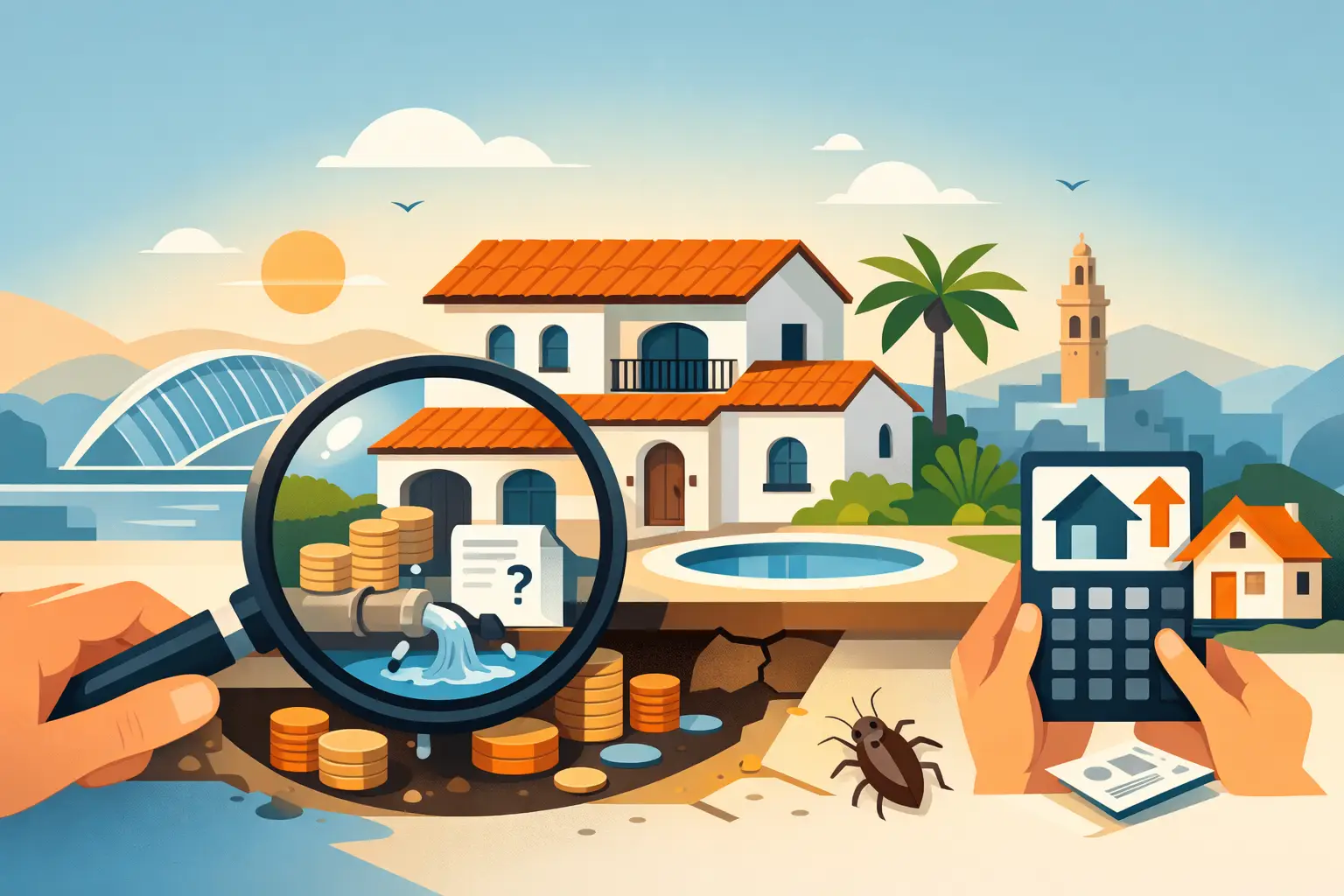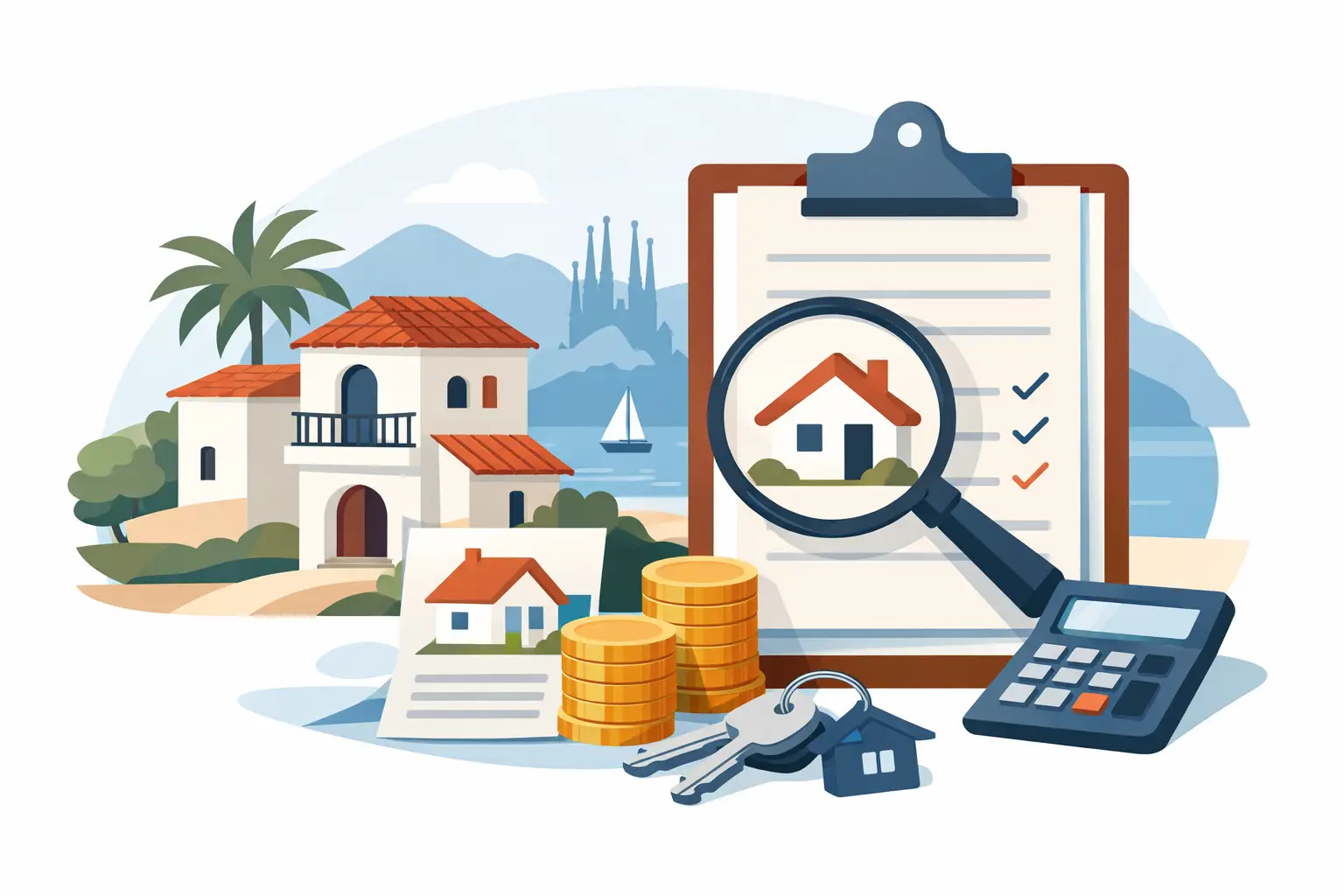
Valencia can look deceptively straightforward from the outside. You see bright flats in Ruzafa, townhouses with terraces, new developments near the coast, and prices that often feel more accessible than other major European cities. Then the reality lands – unfamiliar legal rules, fast-moving listings, unclear paperwork, and agents whose duty is usually to the seller, not to you. If you are asking how to buy property in Valencia, the safest approach is to treat it as a structured acquisition, not a casual house hunt.
For international buyers, that distinction matters. A property can look perfect online and still come with planning irregularities, community issues, poor negotiation positioning, or hidden costs that change the deal entirely. Buying well in Valencia is not just about finding the right home. It is about protecting your money, your legal position, and your long-term peace of mind.
How to buy property in Valencia without costly mistakes
The first step is getting clear on your objective. Valencia attracts very different buyers – families relocating full-time, remote professionals, retirees, second-home buyers, and investors. Those groups should not be viewing the same stock in the same way. A buyer planning permanent residency may prioritise school access, year-round light, lift access, and administrative practicality. A lifestyle buyer may focus more on outdoor space, walkability, and lock-up-and-leave ease. An investor will view licensing, rental demand, building condition, and exit potential differently again.
This sounds obvious, but many buyers start in reverse. They browse portals, fall for a property, and only then begin asking whether the area, legal setup, and total cost actually suit their plans. That is where mistakes begin. In Valencia, clarity at the beginning saves time and usually saves money too.
Your budget must also be realistic from day one. The purchase price is only part of what you will pay. You also need to account for taxes, notary fees, land registry costs, legal support, and any mortgage-related costs if finance is involved. If you are buying a resale property, the tax structure will differ from a new build. That changes your true acquisition cost significantly.
Just as important, your budget should include post-purchase works if needed. Some Valencia properties are beautifully presented but still require electrical updates, damp investigation, window replacement, or air conditioning improvements. The gap between a romantic viewing and the actual cost of living comfortably in the property can be wider than expected.
Build the right team before you view seriously
One of the biggest misunderstandings international buyers have is assuming that everyone involved in a sale is there to protect them. In Spain, that is rarely the case. The listing agent is usually working on behalf of the seller. Their role is to sell the property, not to carry out buyer-side due diligence.
That is why proper representation matters. If you do not have someone on your side who understands the local market, paperwork, and negotiation dynamics, you are exposed. A buyer-side adviser can filter unsuitable properties early, question inconsistencies, coordinate legal and technical checks, and negotiate from a position of evidence rather than emotion.
This is particularly valuable in Valencia because stock quality varies sharply, even within the same street. Two flats in the same building may look similar on paper yet differ in legal status, reform quality, orientation, noise exposure, or future repair liability. What appears to be a bargain can quickly stop being one.
Before you begin making offers, you should also have the practical basics in hand. That may include your NIE number, proof of funds, a Spanish bank account depending on the transaction, and mortgage pre-approval if financing is part of the plan. Sellers and agents take buyers more seriously when those pieces are already moving.
Property search in Valencia needs more than portal browsing
Online portals are useful, but they do not show the whole market. Some of the best opportunities are shared through local networks, buyer advisers, and professional contacts before they are widely promoted. Others appear online with weak descriptions or poor photographs and are easy to miss if you are searching from abroad without local context.
Equally, some listings are stale, overpriced, or presented in a way that hides material issues. A smart search process is not about seeing the most homes. It is about seeing the right homes and rejecting the wrong ones quickly.
Neighbourhood choice is where local guidance becomes especially valuable. Buyers often come to Valencia with a shortlist based on reputation alone – Ciutat Vella, Ruzafa, El Cabanyal, Gran Via, Pla del Real, Patacona. Those names matter, but the micro-location matters more. One block can feel elegant and calm, while the next is noisier, darker, or harder for daily living. You need to assess the building, the street, the orientation, and the use pattern around the property, not just the district label.
Due diligence is where safe purchases are won
If you want the honest answer to how to buy property in Valencia safely, it is here: never rely on appearances. The legal and technical checks are what protect you.
At a minimum, you need to verify ownership, charges, debts, and whether the property can legally be sold as presented. You should also confirm that any alterations or extensions were properly authorised where relevant, that the cadastral and registry information align, and that there are no urban-planning issues affecting the asset. If the property is in a community building, you should understand the financial health of the community, whether major works are planned, and whether there are unpaid community fees.
Technical review matters too. Valencia has many older flats with charm, but age can hide problems. Plumbing, wiring, insulation, façade maintenance, roof condition, and structural concerns can all affect cost and livability. New builds have their own checks – developer track record, specifications, delivery terms, bank guarantees where applicable, and what is actually included in the contract.
This stage is where experienced buyer representation proves its worth. A property that is legally clean, fairly priced, and appropriate for your goals is very different from a property that simply photographs well.
Negotiation in Spain is strategic, not theatrical
Many international buyers either avoid negotiating because they fear offending the seller, or they make aggressive offers without understanding the local context. Neither approach works particularly well.
Good negotiation in Valencia depends on evidence. Is the asking price supported by comparable sales? How long has the property been on the market? Are there legal or technical findings that justify a price adjustment? Is the seller motivated by timing, certainty, or headline price? These factors shape the strategy.
This is another area where being the foreign buyer can put you at a disadvantage if you go in alone. Sellers may assume you are less informed, more emotional, or more willing to overpay for the lifestyle dream. The right advocate changes that balance. Instead of reacting to pressure, you negotiate from facts.
Once terms are agreed, the reservation agreement or deposit contract needs careful handling. This is not just a formality. The wording matters, the timelines matter, and the protections for your deposit matter. Signing too quickly, before proper checks are complete or without clear conditions, can expose you unnecessarily.
From private contract to notary
After due diligence and negotiation, the process moves into formal documentation. Usually that means a private purchase contract followed by completion at the notary. Between those points, funds need to be prepared correctly, final checks should be refreshed, and all parties need to be aligned on timing and obligations.
The notary is an important public official, but not a substitute for independent buyer protection. Their role is not the same as your own legal adviser. You still need someone ensuring that what you are signing reflects what was agreed and that the transaction is secure from your side.
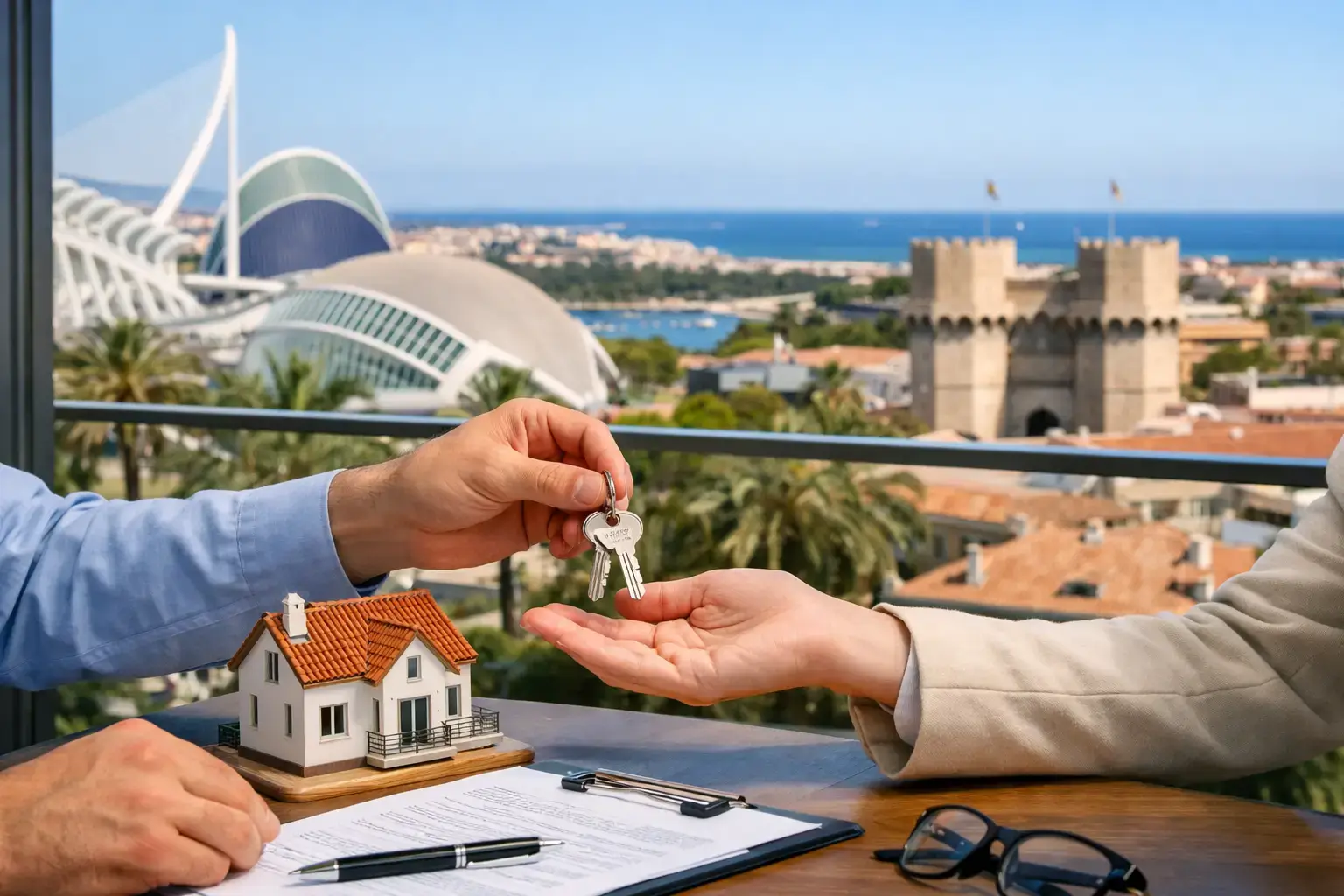
On completion day, ownership is transferred, payment is made, and the keys are handed over. After that, there is still post-completion administration to manage, including taxes, registration, utilities, and practical handover matters. Buyers often underestimate this part, especially when they are not living in Spain full-time.
Why buyer-only advice changes the experience
The Valencia market offers real opportunity, but it rewards preparation and punishes assumptions. If you are buying from abroad, language gaps, distance, and unfamiliar norms can create blind spots at exactly the moment you need certainty.
That is why many international buyers prefer a buyer-only model. When the advice is built around your interests rather than the seller’s stock, the whole process becomes clearer. Search is more focused, due diligence is more rigorous, and negotiation is more disciplined. It is not about making the purchase slower. It is about making it safer and better judged.
At HelloHome Valencia, that means acting as the buyer’s advocate from search to key handover, with legal, planning and negotiation support designed to reduce risk rather than push a quick sale.
Valencia is still one of Spain’s most compelling places to buy a home – for lifestyle, for value, and for long-term enjoyment. The right property can be a brilliant purchase. The key is making sure the excitement never gets ahead of the evidence.