
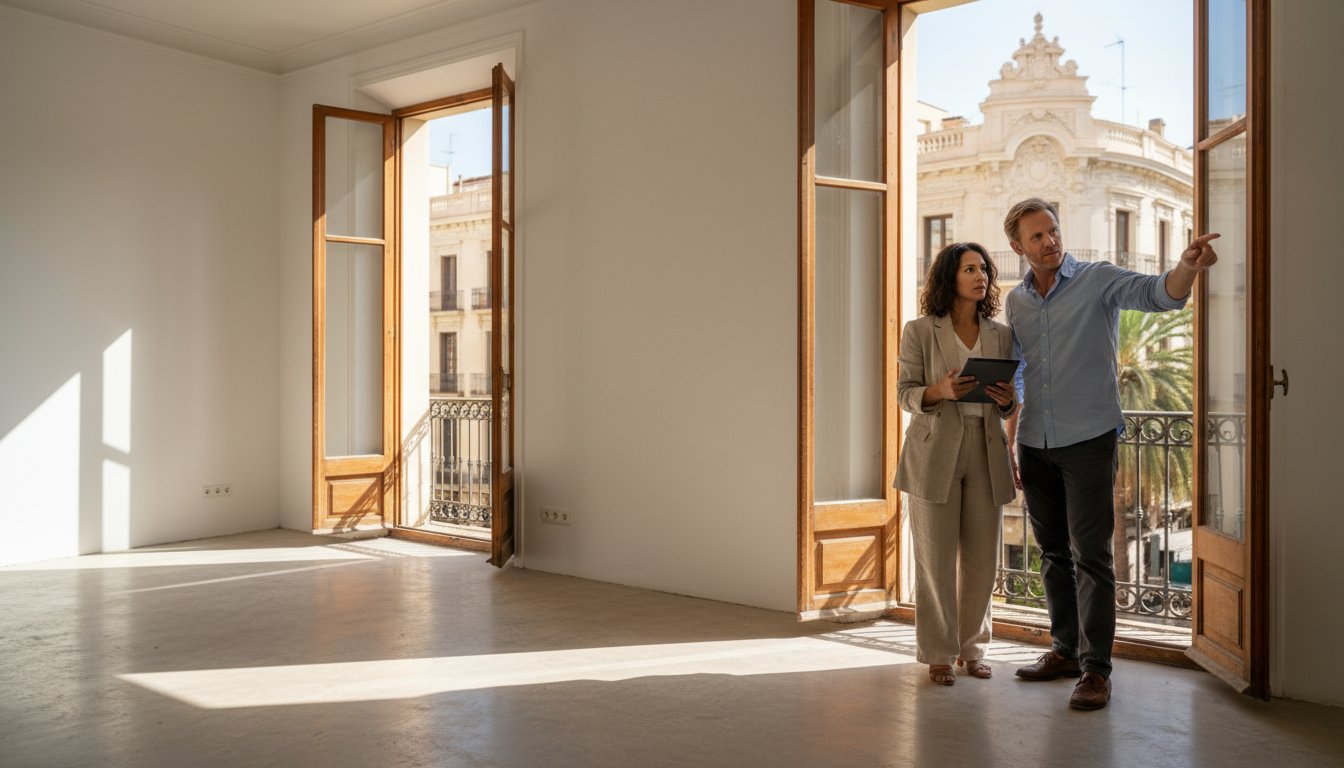
Stepping into a potential Spanish home for the first time is a moment filled with excitement-and a hint of apprehension. For many international buyers, the fear of missing a critical flaw, like hidden damp or an un-registered extension, can cast a shadow over the search. The process of viewing property in Spain presents unique challenges, from language barriers to understanding the true role of the estate agent. It’s easy to feel overwhelmed, especially when you have limited time to find the perfect place.
This is where your confidence is restored. This expert guide is designed to be your trusted advocate, equipping you with a meticulous checklist and the crucial questions you must ask. We will show you precisely what to look for, how to interpret what you see, and how to navigate viewings like a seasoned professional. Master the art of the property viewing and move one step closer to securing your dream home in Spain with complete peace of mind and absolute certainty in your decision.
Key Takeaways
- Your success when viewing property in Spain hinges on meticulous preparation before you even arrive for the appointment.
- Learn to look past the staging and surface-level details to assess a home’s true structural condition and uncover potential hidden issues.
- A complete property evaluation must extend beyond the front door to include the building’s communal health and the neighbourhood’s character.
- Arm yourself with strategic questions for the agent and a clear post-viewing plan to avoid making costly, emotional decisions.
Before the Viewing: How to Prepare for Success
For international buyers, the success of your property search in Valencia hinges not on the viewings themselves, but on the strategic preparation that precedes them. Moving from beautifully staged online photos to the reality of a physical space requires a clear plan. Relying solely on digital listings can be misleading; wide-angle lenses can distort room sizes, and pictures never reveal the ambient sounds of the neighbourhood or the quality of the light. Effective preparation transforms the process of viewing property in spain from a potentially overwhelming tour into a decisive, fact-finding mission.
Furthermore, arriving prepared-with your finances in order and your Spanish NIE application underway-signals to sellers that you are a serious, credible buyer. This positions you advantageously in a competitive market.
Define Your Non-Negotiables
To avoid being swayed by emotion, create a personal scorecard for each property. This simple tool keeps your search objective and focused. Clearly separate your ‘must-haves’ (e.g., a lift, outdoor space, a minimum of two bedrooms) from your ‘nice-to-haves’ (e.g., a renovated kitchen, a specific type of flooring). Consider critical factors like the property’s orientation for sunlight, proximity to public transport, and the walking distance to essential amenities like markets and parks.
Understand Who You’re Meeting: The Seller’s Agent
It is essential to remember a fundamental truth of the Spanish property market: the estate agent showing you the property works for the seller. Their legal and fiduciary duty is to achieve the highest possible price and the best terms for their client. They are not there to protect your interests. In contrast, a buyer’s agent acts as your dedicated personal property shopper, providing exclusive representation and advocating solely on your behalf to secure your dream home at the best possible price.
Essential Tools to Bring to a Viewing
Arriving with a few key items empowers you to look beyond the staging and assess the property’s true potential and condition. Your viewing toolkit should include:
- A powerful torch: Essential for inspecting dark corners, inside cupboards, and checking for signs of damp in unlit areas.
- A tape measure: To verify room dimensions and ensure your existing furniture will fit, moving you from abstract vision to practical reality.
- Your smartphone: Ask for permission to take photos and videos. This creates a reliable record you can review later, far from the pressure of the moment.
- A notepad and your checklist: Document your thoughts, note down questions, and systematically score the property against your non-negotiables to stay focused.
Using these tools allows you to conduct a thorough preliminary assessment. While this initial check is vital, it is the first step before proceeding with a comprehensive home inspection by a certified professional once your offer is accepted.
The Ultimate Viewing Checklist: What to Inspect Inside
When you step inside a potential home, it’s easy to be captivated by stylish furniture or a stunning view. However, a successful viewing requires a more discerning eye. Adopting a systematic approach is essential when viewing property in Spain, as it allows you to look past the staging and assess the true condition of the home. It’s crucial to remember that many properties are sold ‘as is’ (cuerpo cierto), a point often highlighted in official resources like the UK government’s guide to buying property in Spain, making your personal inspection a vital part of your due diligence. Pay close attention to your senses-unusual smells like damp or poor drainage, and persistent sounds from traffic or neighbours, can reveal issues not immediately visible.
The ‘Big Five’: Structural & Utility Checks
These core elements are fundamental to the long-term security and cost of your investment. Overlooking them can lead to significant future expenses. As your advocate, we ensure you focus on what truly matters for your peace of mind. Systematically check for:
- Signs of Damp: Look for water stains on ceilings or walls, peeling paint, and a persistent musty smell, especially in corners and cupboards.
- Cracks: Hairline cracks are often cosmetic, but larger, diagonal cracks in walls, floors, or ceilings could indicate structural movement.
- Water Pressure: Turn on taps in the kitchen and bathrooms. Run the shower to ensure the pressure is strong and consistent.
- Electrics & Boiler: Locate the electrical panel (cuadro eléctrico) and check if it looks modern and well-maintained. Ask about the age and service history of the water boiler (calentador).
Room-by-Room Walkthrough
Move through each space with a critical eye. In the kitchen, note the age of appliances, the quality of cabinetry, and whether there is adequate ventilation like an extractor fan. In bathrooms, check for mould around the bath or shower, test the toilet flush, and ensure extractor fans are working. For bedrooms, assess if the size is practical for your needs, look inside wardrobes for storage, and inspect window quality-double glazing (climalit) is a significant advantage for both temperature and noise insulation.
Comfort and Livability
Finally, consider how the property will feel to live in day-to-day. Assess the amount of natural light the apartment receives at the time of your viewing and ask about its orientation (orientación) to understand how the sun will move throughout the day. Check for air conditioning and heating systems, noting their age and apparent condition. A lack of built-in storage is a common issue in older Valencian flats, so evaluate whether the existing cupboards and wardrobes will meet your needs.
Beyond the Walls: Assessing the Building and Neighbourhood
Your dream home in Valencia extends far beyond its front door. The true value and enjoyment of a property are intrinsically linked to its building and the surrounding neighbourhood. An effective strategy for viewing property in Spain involves a meticulous assessment of these external factors, as they will shape your daily life and protect your investment. For apartment living, in particular, understanding the health of the community of owners, or comunidad, is paramount for your peace of mind.
The Building and Communal Areas
The condition of the shared spaces offers a clear insight into the management and financial stability of the building. A pristine entrance, a modern lift, and clean stairwells are signs of a well-run comunidad. Conversely, neglect in these areas can signal future expenses and disputes. During your viewing, pay close attention to:
- First Impressions: Is the main entrance (portal) secure, clean, and well-maintained?
- Structural Health: Are there any visible cracks on the facade or signs of damp near the roof?
- Communal Amenities: If there is a pool, garden, or terrace, are they cared for professionally?
These elements directly impact not only your quality of life but also the ongoing community fees.
The Neighbourhood Vibe
A property’s location is fixed, so it’s essential that the neighbourhood-the barrio-aligns with your lifestyle vision. We strongly advise visiting at different times of the day and on different days of the week to gain a complete picture. A quiet residential street on a Tuesday morning could transform into a bustling social hub on a Friday night. Walk the surrounding blocks and listen. Is there persistent noise from nearby bars, schools, or major roads? Does the area feel safe and welcoming after dark? Observing the condition of neighbouring buildings provides a reliable gauge of the overall pride and investment in the area.
Practicalities and Local Amenities
The final layer of assessment involves the practical realities of daily living. These details are fundamental to a seamless transition into your new life in Valencia. Consider how easily you can access essential services and how the location fits your routine. These practical checks are a key part of the due diligence process; for a complete overview of the purchasing journey, consulting official government guidance offers a reliable checklist for international buyers. Key questions to answer include:
- Parking: Is a parking space included? If not, how difficult and expensive is local parking?
- Connectivity: How close are the nearest metro, bus, or Valenbisi bike stations?
- Convenience: Map the distance to your favourite supermarket, local market, gym, and cafes.
Key Questions to Ask the Selling Agent
When viewing property in Spain, the physical tour is only the beginning. Your most powerful tool is asking direct, insightful questions to uncover the full story behind the listing. Remember, the selling agent represents the seller’s interests, not yours. Their answers-and just as importantly, what they avoid answering-provide critical information that ensures your peace of mind.
This investigative stage can be challenging, especially when navigating cultural and language barriers. This is precisely where a dedicated Dutch-speaking agent in Valencia becomes your greatest asset, ensuring every question is asked and every answer is clearly understood.
Questions About the Property’s History
Understanding the seller’s motivations and the property’s recent past provides crucial context and potential negotiating power. A clear history is the foundation of a secure purchase.
- Why is the owner selling? A motivated seller (e.g., due to relocation) may be more flexible on price.
- How long has it been on the market? A property listed for many months may indicate overpricing or underlying issues.
- Have there been any major renovations or structural changes? Ensure all work was completed with the proper permits and guarantees.
- Have they received any previous offers? This gives you valuable insight into its perceived market value.
Questions About Costs and Legality
To avoid unexpected financial burdens, you must have a transparent overview of all associated costs and legal statuses. Understanding the costs of a buyer’s agent often highlights their value, as they are experts in uncovering and verifying these crucial details on your behalf.
- What are the annual IBI (council tax) and Basura (waste tax) costs?
- How much are the monthly community fees (gastos de comunidad) and what do they cover? Ask to see minutes from the last community meeting.
- Does the building have a valid ITE (Inspección Técnica de Edificios)? This building inspection certificate is vital for properties over 50 years old.
Red Flag Questions
These questions are designed to uncover potential issues that are not immediately apparent. An experienced buyer’s agent knows exactly what to look for, protecting you from future headaches during the complex process of viewing property in Spain.
- Are there any known disputes with neighbours or within the community?
- Is everything seen in the property legally registered on the nota simple? Unregistered extensions can create significant legal problems.
- May I see recent utility bills? This confirms the property is connected and gives a realistic estimate of running costs.
After the Viewing: Your Strategic Next Steps
The excitement of finding a potential dream home in Valencia can be overwhelming. However, the moments after you walk out the door are among the most critical in the entire process. Making an emotional, on-the-spot decision is one of the biggest risks when buying property abroad. A measured, strategic approach is essential to ensure your investment is sound and secure. The real work begins now.
Debrief and Document
Before heading to the next appointment or even a celebratory coffee, take a moment to process. Immediately complete your viewing scorecard while the details-both good and bad-are fresh in your mind. Discuss your honest impressions with your partner or a trusted advisor. This disciplined step transforms a subjective feeling into objective data, allowing you to compare properties accurately and without emotional bias.
The Power of a Second Viewing
For any property that makes your shortlist, a second visit is not just recommended; it is essential. Effective viewing property in Spain means understanding it at different times. Schedule your return visit for a different time of day to assess:
- Natural light in the morning versus the afternoon.
- Neighbourhood noise levels during peak hours or in the evening.
- The general atmosphere and community feel after dark.
Use this opportunity to focus on the finer details you may have missed, measure spaces for key furniture, and confirm technical specifications. This is your chance to move from a first impression to a deep, practical understanding.
Moving Towards an Offer with Confidence
An offer should never be based on feeling alone. Before any financial step, it is imperative to review the property’s legal documentation, starting with the nota simple (property registry extract). This is where a dedicated buyer’s agent becomes your greatest asset. We help you formulate a strategic offer based on market data, not emotion. More importantly, we provide the legal certainty you need, ensuring all due diligence is completed by certified professionals before you commit. This protection is the cornerstone of buying with total peace of mind. To ensure you have an expert advocate in your corner, contact HelloHome Valencia today.
From Viewing to Owning: Your Confident Next Step in Spain
As you’ve seen, a successful property search hinges on more than just a good first impression. It demands meticulous preparation, a detailed inspection checklist, and asking the right questions. This methodical approach transforms the experience of viewing property in spain from a potentially overwhelming task into a clear, strategic step towards securing your dream home.
But you don’t have to navigate this complex market alone. Imagine having a fierce advocate in your corner-an API-certified buyer’s agent working exclusively for you. At HelloHome Valencia, we provide that peace of mind. We offer exclusive access to ‘off-market’ properties and provide specialist, tailored guidance, particularly for our Dutch buyers. We turn your vision into a secure, transparent reality.
Ready to view properties with an expert on your side? Discover our Personal Shopper service and let us help you move confidently from searching to owning. Your perfect home in Valencia awaits.
Frequently Asked Questions
How many properties should I view in one day in Spain?
When planning your schedule for viewing property in Spain, we recommend scheduling no more than four to five viewings in a single day. This allows for sufficient time at each property, accounts for travel between neighbourhoods, and prevents ‘property fatigue.’ A measured pace is crucial for making clear, considered decisions. Rushing the process is a common mistake; our goal is to make your search effective, not exhaustive, providing a curated selection that truly matches your vision.
Is it common to make an offer immediately after a first viewing in Spain?
In a competitive market like Valencia, it can be tempting to make an immediate offer. While this sometimes happens, we advise a more strategic approach. A second viewing allows you to see the property at a different time of day and confirm your initial impressions. Acting with speed is important, but acting with certainty is paramount. As your buyer’s agent, we ensure you have all the necessary information to make a confident, well-timed offer without unnecessary risk.
What is a ‘Nota Simple’ and why is it important before making an offer?
The ‘Nota Simple’ is an official report from the Spanish Land Registry that provides a legal snapshot of a property. It confirms the registered owner, details the property’s legal description, and crucially, reveals any outstanding debts or liens attached to it. Obtaining and reviewing this document before making an offer is an essential step we manage for our clients. It is the foundation of a secure purchase, protecting you from inheriting unforeseen financial liabilities and ensuring total legal certainty.
Do I need to speak Spanish to view properties effectively?
While knowing some Spanish is helpful, it is not a prerequisite for viewing properties effectively when you have professional representation. As your dedicated buyer’s agent, we handle all communication with sellers and their agents, asking the critical questions in Spanish on your behalf. This ensures that nuanced details about the property’s condition, community rules, and other vital information are clearly understood, providing you with complete clarity and peace of mind throughout the entire process.
Are properties in Spain typically sold furnished?
This varies significantly and is always a point for negotiation. Many resale properties are sold with the kitchen and major appliances (‘electrodomésticos’) included, but not always the furniture. However, it is also common for sellers to offer the property fully furnished. We will clarify the seller’s intentions for each property and negotiate the specifics of what is included as part of the formal offer, ensuring there are no surprises on the day you receive your keys.
What are the most common red flags to spot in older Spanish apartments?
When viewing older apartments, we meticulously check for signs of damp (‘humedad’), such as peeling paint or a musty smell. Outdated electrical systems, identifiable by old fuse boxes and limited outlets, can be a significant expense. We also assess water pressure, check for signs of plumbing issues, and inspect the condition of the building’s common areas. The state of the facade can indicate future community repair costs (‘derramas’), a critical detail we investigate for your financial protection.
Can I request a professional building survey before buying?
Absolutely, and we strongly encourage it for your total peace of mind. While not as standard a practice as in some other countries, commissioning a professional building survey by a qualified architect (‘arquitecto’) is a wise investment. This is especially true for older properties or homes that have undergone significant renovations. The survey provides a detailed report on the building’s structural integrity, identifying any potential issues and giving you the complete confidence needed to proceed with your purchase.